
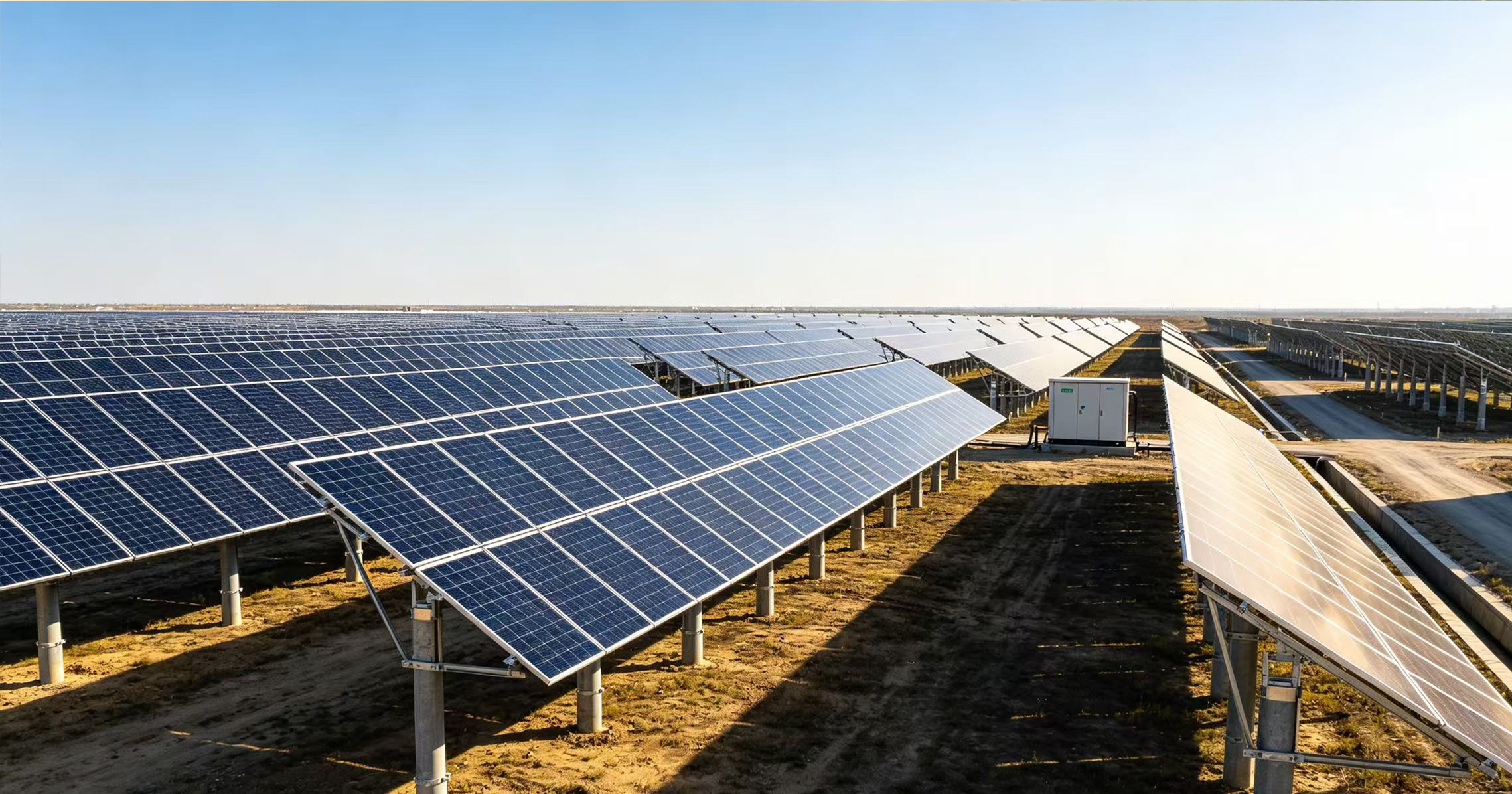
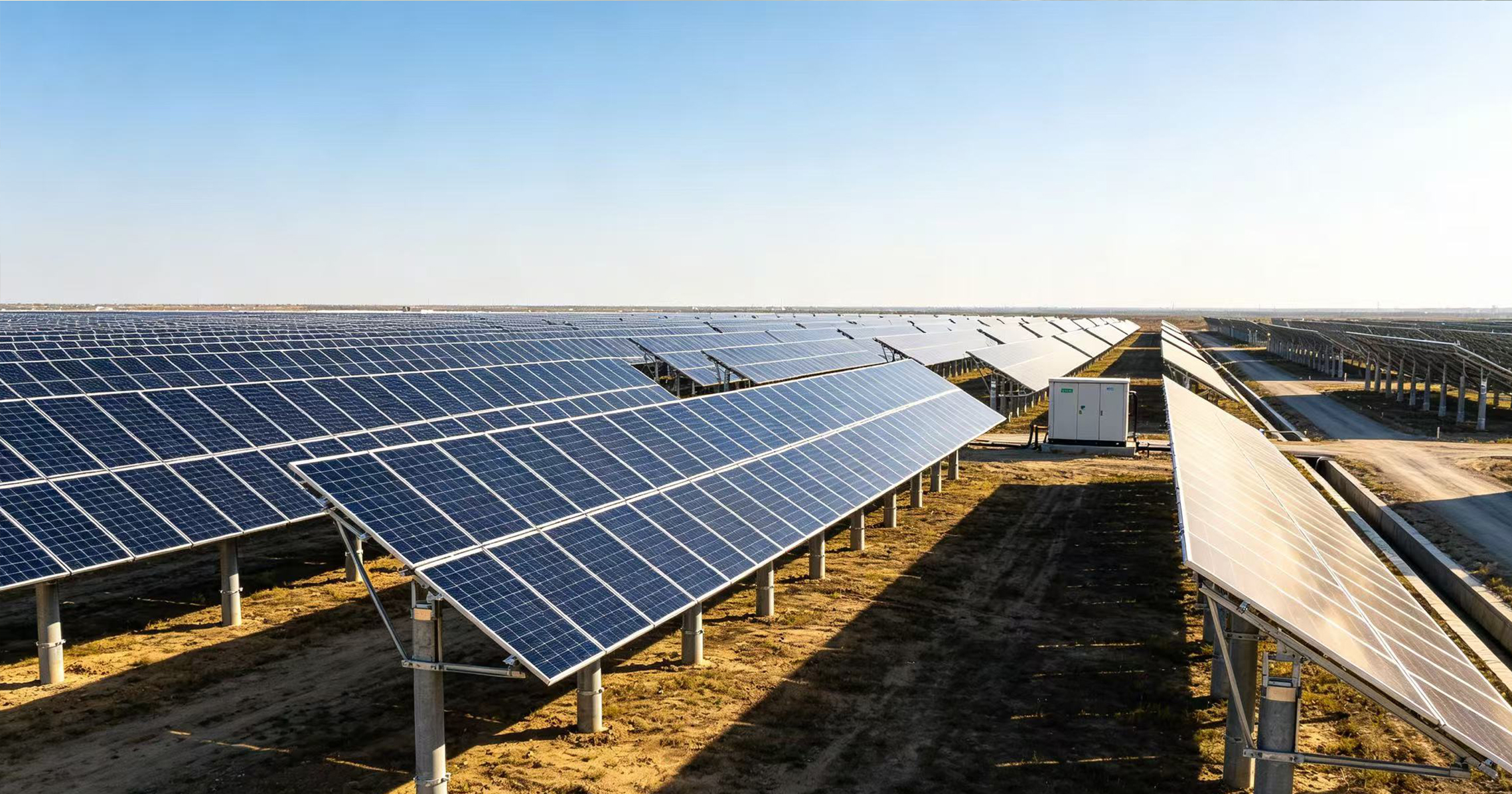
As large‑scale solar plus storage projects keep expanding across Europe, grid‑code compliance has become one of the
biggest challenges for EPC installers, system integrators and project developers. Different EU member states set their
own grid‑connection rules for container‑type battery energy‑storage systems, creating complexity for overseas equipment
suppliers.
Although general standards such as IEC and CE are widely recognised, each country adds local technical requirements
around frequency response, voltage ride‑through, reactive‑power control, communication protocols and protection
settings. For example, Germany, Italy, Spain and Poland each have distinct grid‑code documentation that container‑based
energy‑storage systems need to satisfy before grid‑connection approval.
Many international EPC partners tell us that insufficient grid‑code support from equipment suppliers often causes project
delays. The typical pain points include incomplete technical files, lack of adjustable PCS parameters and limited
documentation for local grid authorities.
From our experience serving European PV‑storage clients, here are three practical tips for EPCs when selecting
container energy‑storage suppliers:
1. Confirm whether the PCS supports country‑specific grid‑code parameter configuration at an early project stage.
2. Request complete technical documentation, test reports and pre‑compliance support before placing mass orders.
3. Work with manufacturers that offer customised EMS settings to meet local grid‑management requirements.
At Sunsky Co.,ltd, our container energy‑storage platform is designed with flexible PCS and EMS configurations. Our technical
team provides grid‑code consultation support for customers targeting different European markets. We help partners reduce
project risks related to grid‑connection approval.
This market overview is for general reference only. Project‑level grid requirements should always be checked with local network
operators and qualified engineering consultants.